Hi all,
I’ve been using Xert for a while and really appreciate the model and the concept of strain-based training. However, I’m struggling to understand how to properly use Magic Buckets together with the Smart Interval recommendations for high-intensity (VO₂-type) work.
My fitness signature
-
TP: 361 W
-
HIE: 24.7 kJ
-
Peak Power: 1182 W
So I appear to have relatively high anaerobic capacity.
The issue
When riding with Magic Buckets and following the real-time interval recommendations on my head unit, I consistently get suggestions like:
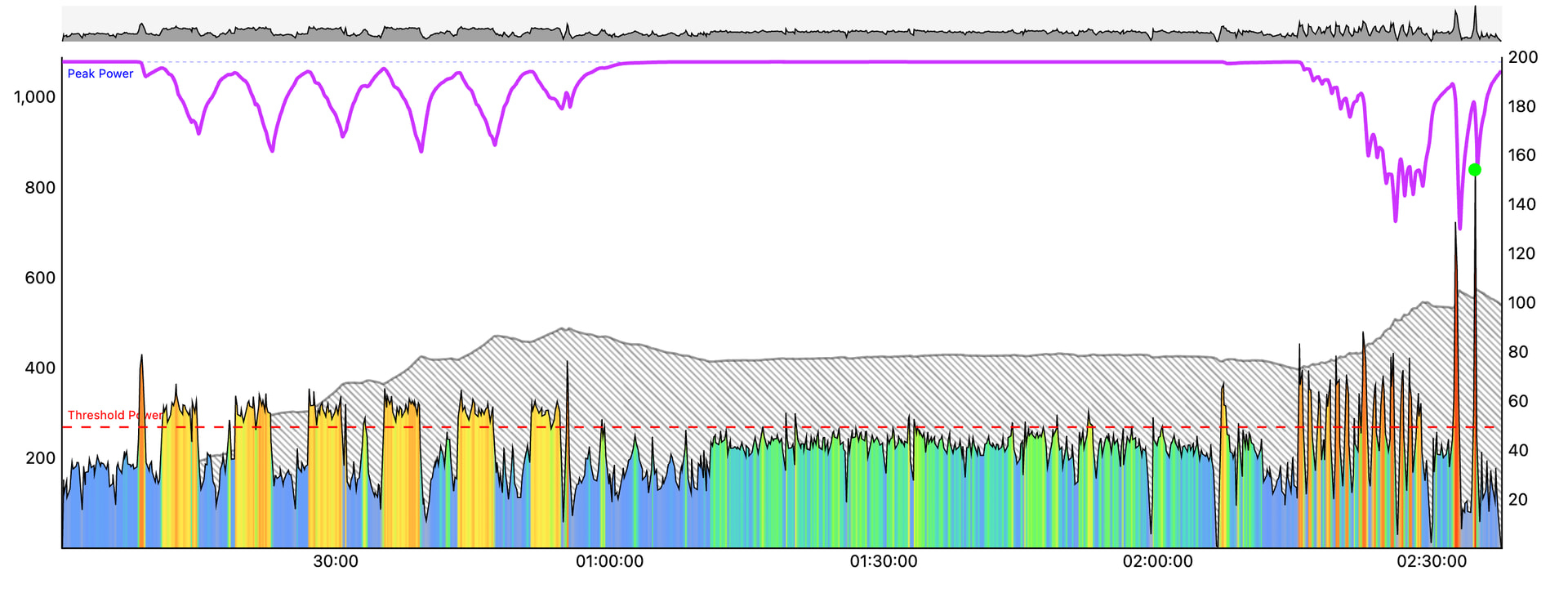
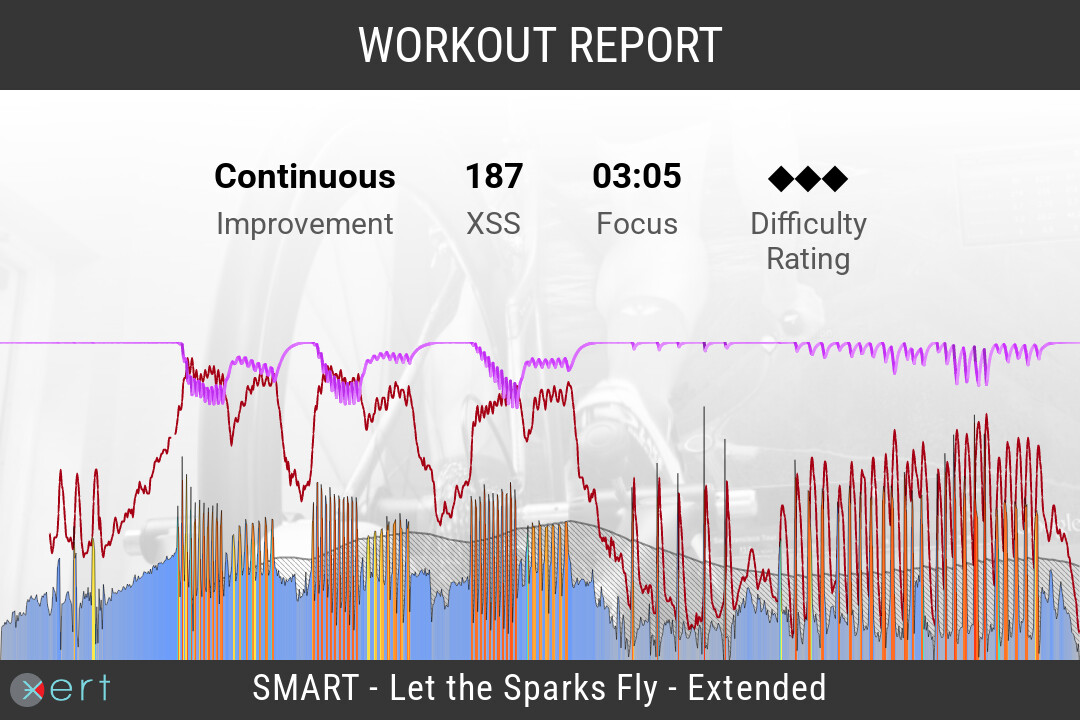
“30 intervals @ 546 W for 17 seconds”
In practice, most of my suggested “intervals” are:
-
15–20 seconds
-
sometimes even shorter
-
almost never longer (e.g. 60–90+ seconds)
What’s happening (as I understand it)
It seems that:
-
I can generate very high power
-
HIE depletes quickly
-
MPA drops fast
-
strain accumulates very quickly
So the system reaches the intended training load almost immediately.
My concern
From a physiological standpoint, these efforts feel like:
- repeated short anaerobic bursts
…rather than anything resembling sustained VO₂max work.
Coming from a more traditional background, VO₂max training usually involves:
-
longer efforts (2–5+ minutes)
-
sustained high oxygen uptake
-
accumulating meaningful time at intensity
With the current recommendations:
-
I reach high strain very quickly
-
but spend almost no time at that intensity
Key question
For athletes with relatively high HIE:
 Is Xert effectively allowing us to “overuse” anaerobic contribution to hit strain targets?
And if so, could this lead to insufficient time at VO₂max, despite technically hitting the intended training load?
Buckets vs execution
I understand that:
-
Buckets accumulate over the entire ride
-
They are not tied to individual intervals
So the real issue is not the bucket concept itself, but rather:
how the recommended efforts are executed and metabolically achieved
Right now, it seems very easy to:
-
fill high-intensity buckets via short spikes
-
rather than sustained work
What I’ve tried
I’ve experimented with:
-
Ignoring the short interval recommendations
-
Riding longer, steadier efforts closer to MPA
-
Adding more traditional VO₂ intervals
This feels much more effective physiologically — but also like I’m deviating from Xert’s intended use.
What I’m trying to understand
-
Are these very short interval recommendations expected for high-HIE athletes?
-
Should these be interpreted more as “intensity signals” rather than literal interval prescriptions?
-
Does Xert assume that proximity to MPA is sufficient regardless of duration?
-
Are there recommended ways to avoid ultra-short, spike-driven bucket accumulation?
Final thought
I really like the Xert model, but in this case I’m struggling to reconcile:
-
very short (15–20s) recommended efforts
vs -
the need for sustained high-intensity work
Especially for VO₂max development.
Would be very interested to hear how others with similar profiles approach this.
Thanks!
 )
)

