Tips for using Magic Buckets

Hi,

I’m looking for tips or recommendations on using Magic Buckets for outdoor training, specifically for structured interval workouts.

During my workouts, I try to follow the recommended interval duration as closely as possible, whenever terrain and traffic allow it. When an interval starts, I can see how long I’ve been holding the interval, but I don’t understand what the time displayed underneath the interval duration represents, as it keeps changing during the effort.

I’m also seeing the following issue during recovery periods. For example, on rolling terrain I may briefly go above TP (about 10–20 W). This starts the interval countdown, but if I drop back below TP shortly afterwards, the recovery time becomes significantly longer than originally suggested.

Is this expected behaviour? My device is a Garmin Edge 830.

Thank you.

Why do you follow the interval duration? The beauty of magic buckets is that you do not have to. I usually aim for the proposed power target and go for as long and pause as long as it feels right for me. If I recover at a harder pace, low XSS will fill even faster. Sometimes I do some sprints for warmup to lower the targets.

Start whenever you can/want, stop when you can no more. Try to reach VO2max-state (very hard breathing/moaning, feels like drowning) for as long as possible. On a bad day, challenge level 5 is enough, on a normal day, I go for CL 7/8 and on a good day, I will try to push to lvl 10/breakthrough.

3 Likes

Thanks, that’s pretty much how I’m using it too.

During the week I try to have at least one truly structured session – either an indoor workout or outdoor intervals with fixed duration and recovery. On other days, if I’m doing intervals, I focus on filling the buckets and structure the session based on how I feel and what the terrain allows.

That’s exactly why I’m interested in how Magic Buckets actually work and how the recovery time is calculated, as in my original question.

Classic answer: it depends :slight_smile: the closer you get to your goal, the more specific my intervals become. If you don’t have any event and just trying to get as fit as possible, do micro burst intervals but don’t neglect the longer VO2 intervals. Maybe incorporate them once or twice per month (just to prepare yourself to dig deep mentally)

Hi @LurkCz - good questions. I’ve tried to answer these types of questions the best I can in the documentation (like this), but it’s such a complex feature that I guess I haven’t covered every situation.

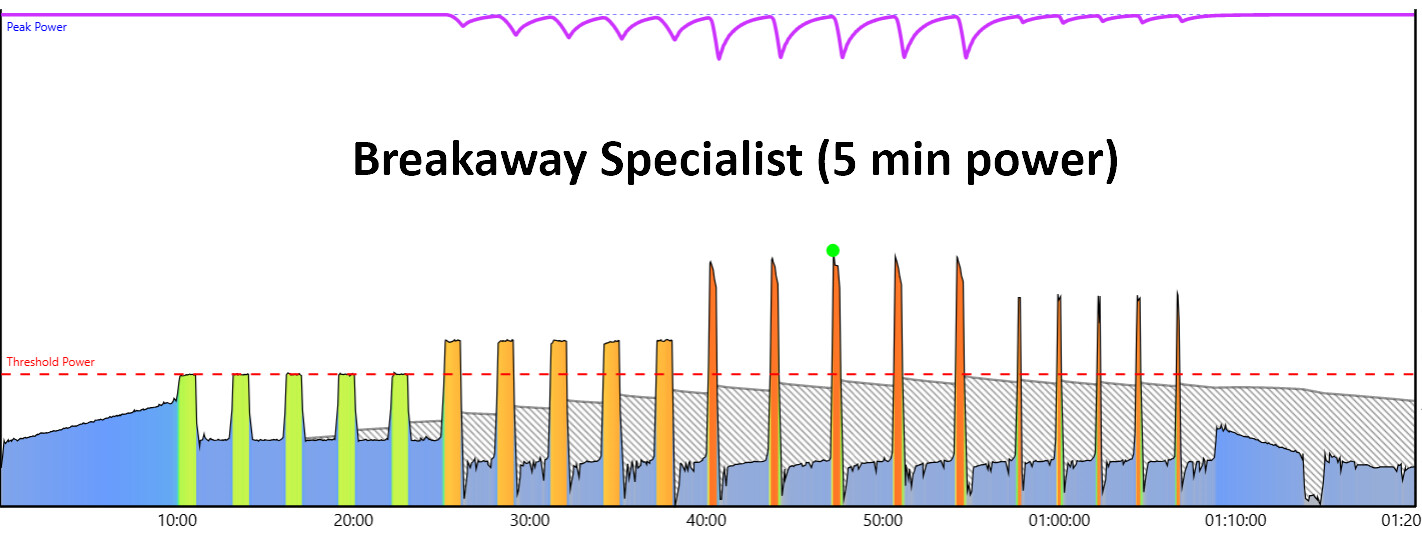
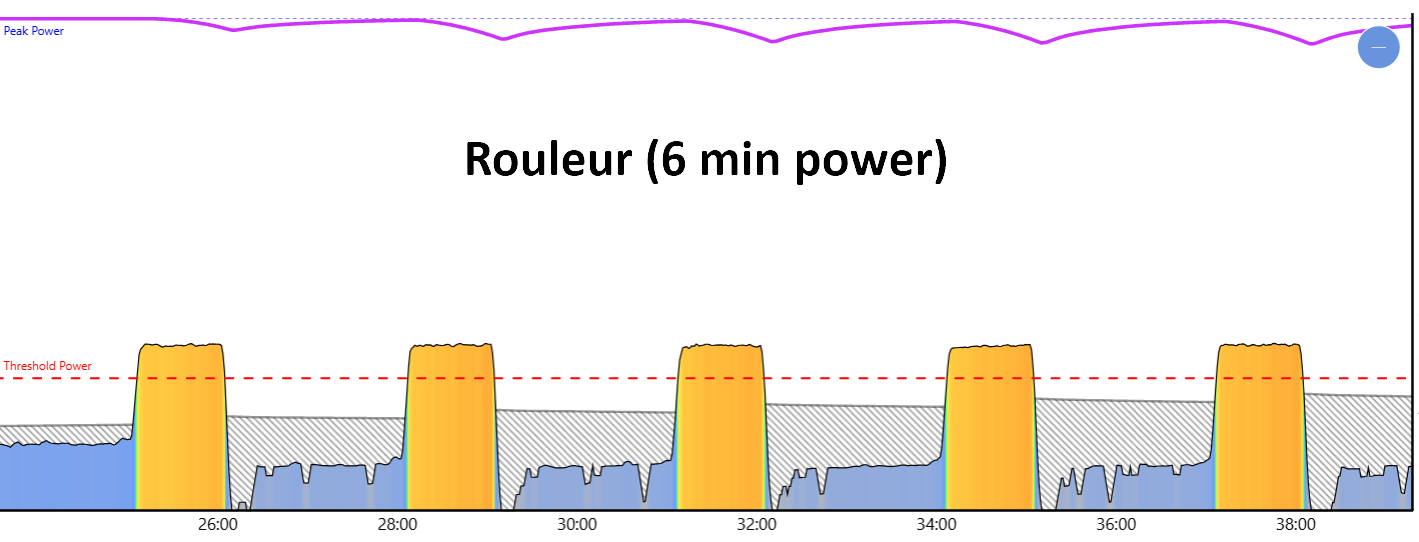
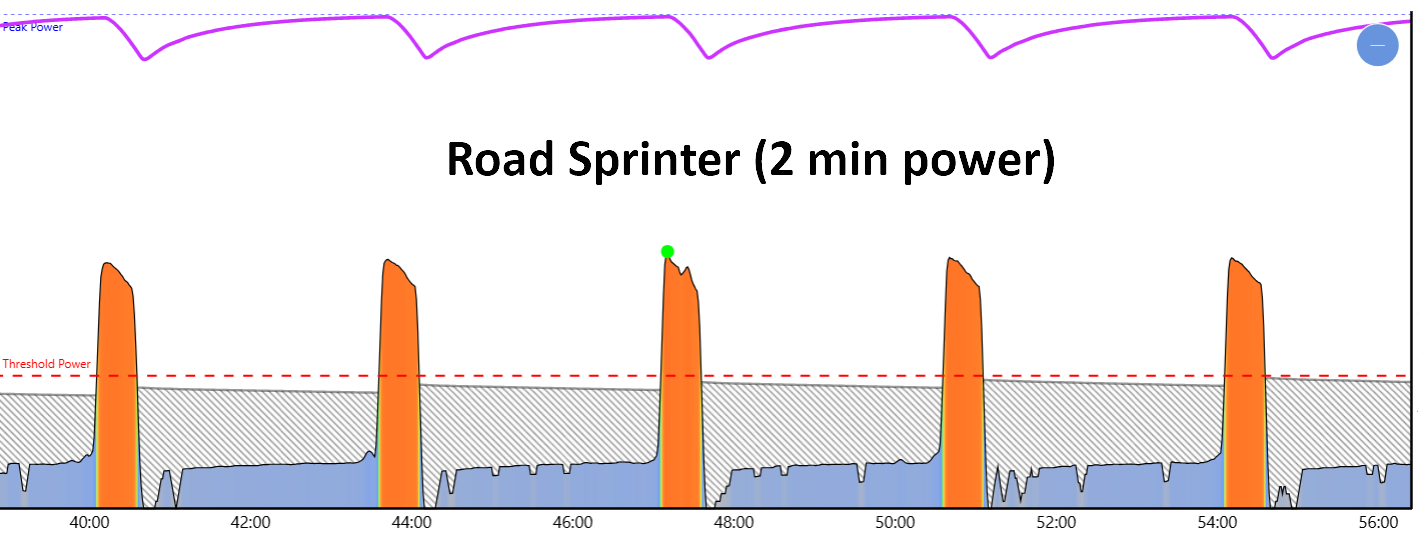
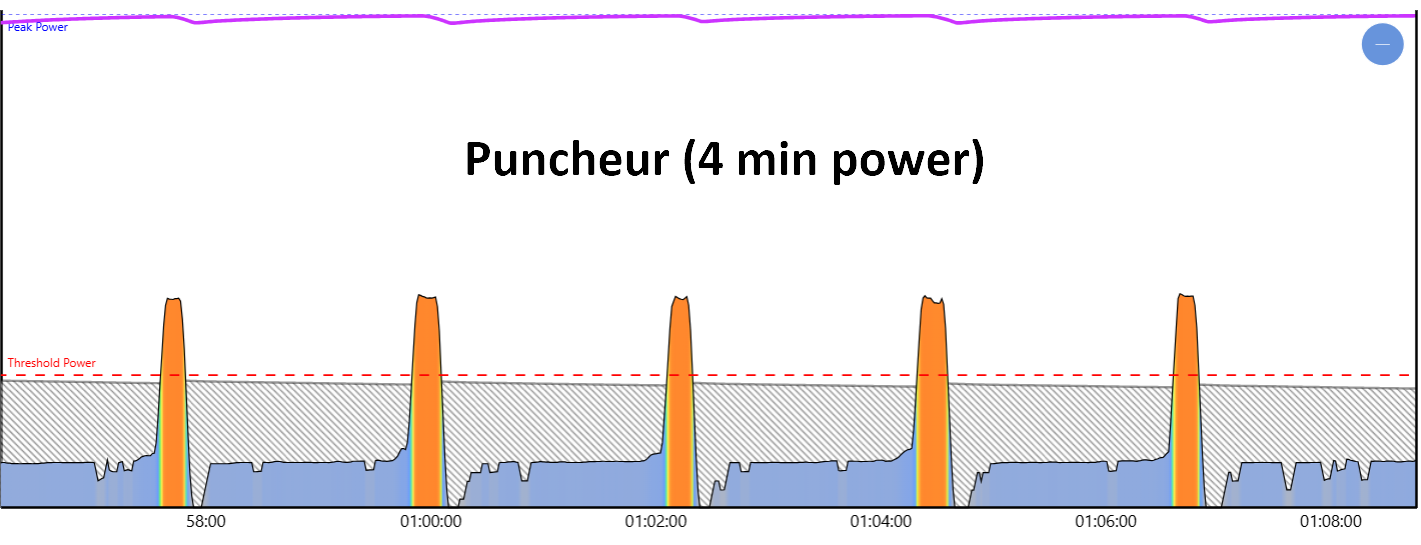
I think you’re referring to ‘Rec Dur’ (Recovery Duration) - this estimates the duration of your next recovery interval based on your current Challenge Level (CL) & Low XSS needed for the day. It continuously changes as you hold your intervals & also as you upgrade to higher CL’s.

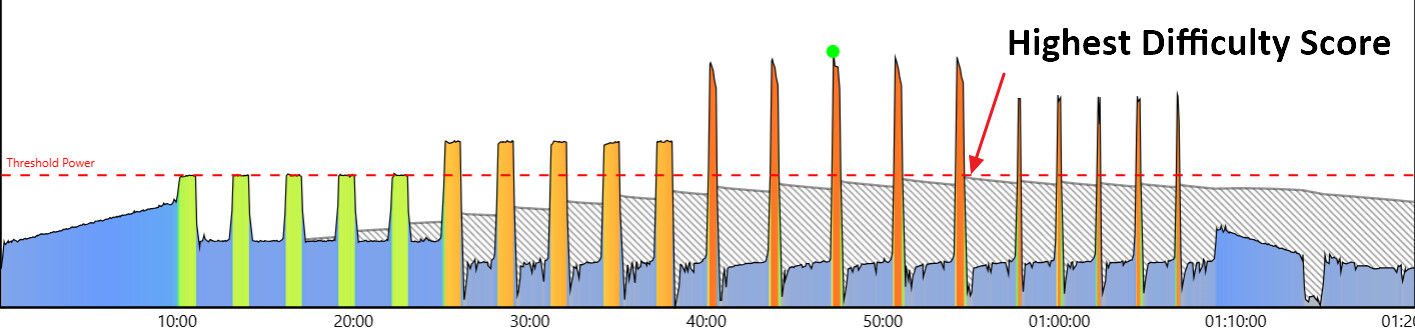
Yes, this is how it should behave (not sure if it’s necessarily expected). When you stop an interval, the recovery power/time is calculated such that you efficiently fill your LOW bucket while also allowing your MPA to recover down to the next full Challenge Level. (e.g., if you stop your interval at 7.5, you’ll ‘recover’ back to CL 6.0, if you stop at CL 3.1, you’ll recover to CL 2.0, etc.)

Pedalling 4s over FTP starts the next interval (pedalling 4s below FTP starts a recovery). When you back off, Xert will again allow you to recover to the next lowest CL (which could likely longer than the previous displayed recovery time). In times where my ‘recovery’ interval is interrupted, I often base the start of my intervals once I’ve reached the next lowest CL.

If you keep easy pedaling after a recovery interval, you’ll drop into an ‘easy’ state - this is good for breaking your workout into “sets”, if that makes sense. I will often break my workout into smaller pieces when I have big High/Peak buckets to fill, aiming to fill 1/4 to 1/3 of the High/Peak Buckets at a time.

Hope this all helps/makes sense!

2 Likes

Can I ask what the Target Power and Duration is based off? At the Moment I always see the same combinations (around 28s @ 255 or 20s @ 275) that of course changes within the workout. Is it coming from the focus duration or fitness signature and why would I not strictly follow the targets if I can?

I struggle a bit with a very data driven/centric platform encouraging users to go by feel.

Thanks a lot for the explanation, that really cleared things up and makes much more sense now.

I hadn’t paid much attention to CL before, because I didn’t realise it was so closely linked to the recovery time. I was mostly watching the recovery timer and where my power was relative to the target, but I wasn’t really tracking how my CL was changing during that period.

One more question about CL: what has the biggest impact on its level – is it mainly the percentage above the target power, or the duration for which I hold the interval at / above the target?

The Focus duration and interval target power are determined by the relative amounts of Low, High, & Peak XSS remaining in your buckets. XMB calculates a target that will fill those buckets efficiently and in the appropriate proportions. In other words, if you ride exactly at the target power, your High & Peak buckets should progress proportionally toward completion.

The Peak bucket has a relatively large influence on that target power. Try doing a couple of hard efforts near the beginning of your next ride to pre-fill some Peak XSS and watch what happens to the subsequent XMB target. You’ll likely see it shift downward and the suggested intervals become longer. :slightly_smiling_face:

There’s absolutely nothing wrong with following the targets closely if you enjoy doing that! The point is simply that you don’t have to (although, you still sorta need to follow along if you’re trying to fill the buckets, otherwise you’re just doing your own thing anyways :laughing: ).

I think this actually highlights an important part of Xert’s philosophy.

It’s very easy to overthink interval structure: Should I do 4×5 or 5×4? Should these be 105%, 110%, or 115%? How long should the recoveries be?

Xert’s approach is that there isn’t one magical combination of intervals that makes you fitter. What matters more broadly is accumulating the intended strain (XSS) across your Low, High, & Peak systems. Magic Buckets gives you a flexible way to achieve that without requiring you to follow a predetermined workout structure (permitting more flexibility in how you train).

Another way to think about it: it’s entirely possible to build excellent fitness without doing traditional workouts at all. Athletes who race or do hard group rides regularly demonstrate this all the time. It’s not the workout structure itself that creates fitness… it’s actually doing the work and accumulating the appropriate training strain.

XMB simply gives us a way to quantify that strain and guide you toward the desired dose of Low, High, and Peak XSS while still giving you considerable freedom in how you get there.

Challenge Level is based on HIE depletion , so both intensity and duration matter.

At the current interval target power, XMB calculates how much HIE you’d need to deplete to reach a Breakthrough, then divides that into 10 Challenge Levels. Roughly speaking:

  • CL1 = 10% of the way to a Breakthrough
  • CL5 = 50%
  • CL10 = Breakthrough

You can therefore “fast start” an interval by going harder than the target initially. That burns through HIE faster and gets you to the higher Challenge Levels sooner. You can then continue the training at those higher CLs, using the fatigue created by the hard start to make the subsequent efforts more effective (since XSS accumulates faster when HIE is depleted/MPA is lowered).

Just keep in mind that going substantially above the target may fill your High & Peak buckets in different proportions than XMB originally calculated, but that’s perfectly okay. XMB constantly interprets what you’ve done and recalculates its guidance on the fly.

You don’t have to fast-start at all. Hold the recommended effort for longer and watch what happens: as HIE continues to deplete, your Challenge Level will continue to rise.

So ultimately, how hard you ride determines how quickly CL rises; how long you keep going determines how far it rises. :smiley:

Clear as mud?

3 Likes